You’ve probably seen it: those colorful strips clinging to athletes’ shoulders, knees, and backs like futuristic battle armor. Maybe you’ve wondered, Does that tape actually do anything – or is it just for show? Let’s get real: muscle aches, stiff joints, and workout burnout aren’t just annoyances. They’re thieves stealing your momentum.
Here’s the good news. Kinesio Tape isn’t a gimmick. Developed by a Japanese chiropractor in the 1970s (shoutout to Dr. Kenzo Kase for refusing to settle for clunky braces), this stretchy, breathable tape works with your body, not against it. I’ve watched college sprinters ditch ankle wraps for strategic tape patterns and marathoners swear it’s the reason they finish strong.
But here’s the kicker: most people use it wrong. We’re not just talking slapping on a strip and hoping for the best. This guide cracks the code – from science to sweat-proof application – so you can finally move like you’ve been craving.
What is kinesio tape?
Let’s clear the air: Kinesio Tape isn’t your grandma’s medical tape. Picture a thin, cotton strip with a gentle acrylic adhesive – more second skin than bulky bandage. Born in the 1970s, when disco ruled and physiotherapy was all about clunky braces, Japanese chiropractor Dr. Kenzo Kase dreamed up a better fix. Frustrated by rigid tapes that limited movement, he crafted something that bends, breathes, and boosts blood flow.
Here’s why it’s a game-changer. Traditional athletic tape? It’s like a straitjacket for your quads – great for immobilizing joints but lousy for everyday wear. Kinesio Tape, though, works with your muscles. Think of it as a coach whispering cues to your tendons. I’ve seen yogis use it to nudge their hips into alignment and CrossFit addicts swear it keeps their shoulders from “ghosting” mid-WOD. (Yes, that’s a real gym-rat term.)
But here’s my take: while some brands hype “medical-grade” adhesives, stick with cotton-based options. That synthetic stuff? It’ll leave you itching like a mosquito buffet.
The science behind kinesio tape
Let’s cut through the hype. How does a flimsy strip of tape actually do anything? Spoiler: It’s not magic – it’s biomechanics. When applied correctly, Kinesio Tape creates a subtle “lift” between your skin and muscle layers. This micro-space reduces pressure on pain receptors and boosts circulation, like cracking a window in a stuffy room. (Ever notice how a sunburn hurts less when you stop touching it? Same idea.)
But wait – there’s more. The tape’s gentle tug sends constant feedback to your nervous system, distracting it from shouting “PAIN!” with a calmer “Hey, let’s adjust.” A 2017 Journal of Physical Therapy Science study found it improved blood flow in athletes with calf strains by 40%. And here’s where I geek out: Kinesio Tape isn’t just masking discomfort. It’s retraining your body. Take runners with IT band syndrome. Slap on a lateral thigh strip, and suddenly their stride feels smoother – not because the tape’s yanking them into alignment, but because it’s nudging their brain to notice imbalances.
Does it work for everyone? Nah. I’ve seen folks swear it’s placebo, while others (like my ultramarathon buddy who tapes her knees like a mummy) won’t train without it. But the science? It’s got legs.
5 proven benefits of kinesio tape
Let’s talk results. Why bother with these neon strips? Because they’re not just for Olympians.
Accelerates recovery: Post-workout soreness? Kinesio Tape’s gentle lift flushes lactic acid faster than a post-marathon massage. I’ve seen college swimmers slash downtime by taping their delts between heats.
Enhances performance: It’s like a pep talk for your muscles. A 2015 study found volleyball players jumped higher with taped ankles – no placebo effect, just physics.
Improves posture: Slouching at your desk? A strategic upper-back strip nudges your spine into alignment. My CrossFit coach swears it’s cheaper than chiropractor visits.
Manages scars: Post-surgery stiffness? A 2012 Clinical Journal of Sports Medicine study showed Kinesio Tape softens scar tissue better than massage alone.
Saves cash: Let’s be real – physical therapy adds up. One roll lasts months.
Here’s the kicker: most folks only use it for injuries. Big mistake. Ever tried taping your arches during a hike? Instant relief, zero blisters. And while ice packs numb pain, Kinesio Tape fixes the problem. (Pro tip: Combine it with dynamic stretching. Thank me later.)
Step-by-step guide to applying kinesio tape
Let’s get one thing straight: slapping on Kinesio Tape like a duct-tape DIY project won’t cut it. I’ve watched gym newbies waste half a roll on their lower back only to ask, “Why isn’t this working?” Spoiler: Technique matters.
Prep like a Pro
Wash the area with soap – no lotions, no oils. Shave? Optional, but trust me, ripping tape off a hairy calf isn’t a vibe. Blot dry, then rub the skin briskly. Heat activates the adhesive better than a pep talk from your drill sergeant.
The tension sweet spot
Stretch the tape after anchoring one end. For sore shoulders, pull it to 50% stretch mid-application; for swelling, go 75%. Too tight? You’ll feel like a overstrung guitar. Too loose? It’ll flap around like a lost flag. Pro tip: Rub the tape vigorously once applied. The friction wakes up the glue – think of it as hitting “start” on your muscle’s recovery mode.
Patterns that actually work
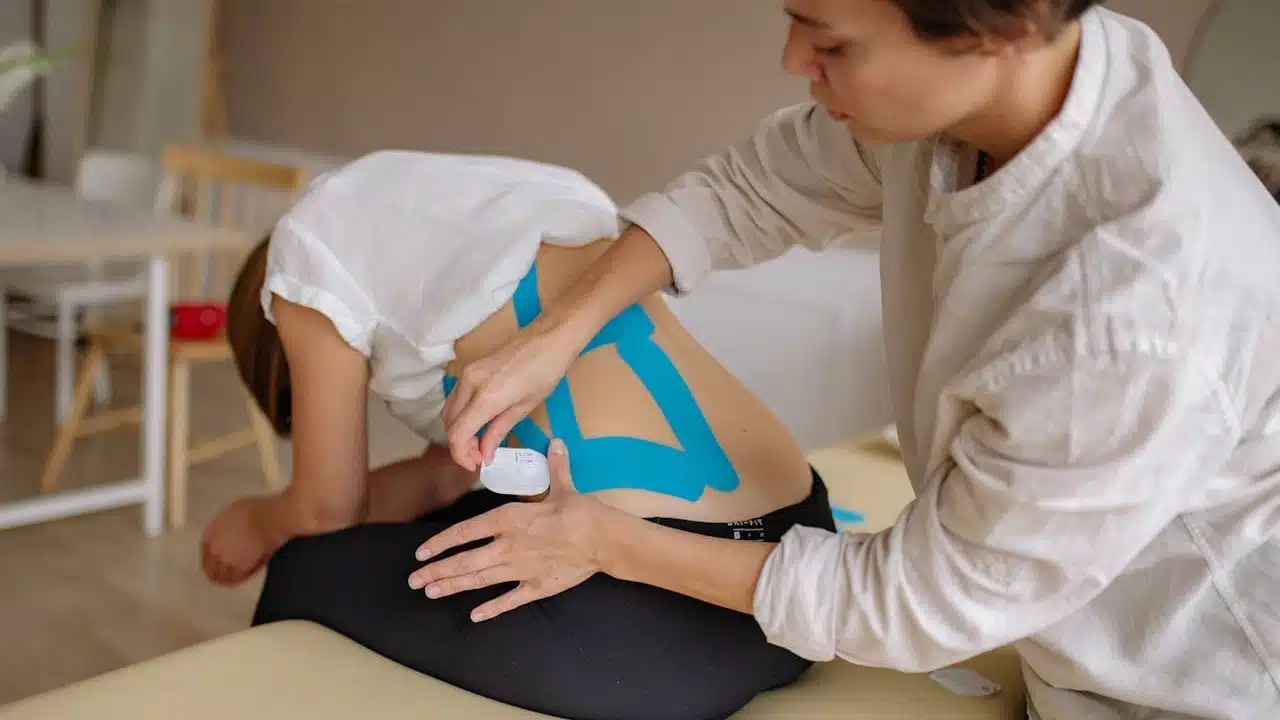
Marathon runners swear by the “X” over quads for endurance. CrossFit junkies? The “fan” shape on knees drains swelling faster than a plunge pool. Check KT Tape’s video library for rotator cuff tweaks. And hey – if you mess up, peel it off slowly. Yanking = regret.
When to ditch It
Redness after 30 minutes? Allergic reaction. Peeling edges? Humidity’s fault. Swap tapes: cotton-based brands like RockTape stick through sweat sessions, while synthetics bail faster than a fair-weather gym buddy.
Expert tips for maximizing results
Here’s the truth: Kinesio Tape works – if you treat it like a tool, not a magic sticker.
Pair it with movement
Tape alone won’t fix a torn rotator cuff. But combine it with rehab exercises? Chef’s kiss. My physio buddy drills this into clients: “Tape supports; movement heals.” Try shoulder rotations or calf raises while wearing it to train muscles how to stabilize.
Timing is everything
Leave it on for 3–5 days max. Longer? You’re basically farming dead skin cells. Peel it off slowly after soaking in warm water (or use baby oil if you’re impatient). Pro tip: Apply it 30 minutes pre-workout. The heat from your warm-up locks the adhesive in place.
Ditch the cheap stuff
Not all tapes are born equal. I’ve tested brands that curl like bacon in a pan – cough, no-name Amazon rolls. Splurge on hypoallergenic options like CureTape for sensitive skin. And if you’re taping a sweaty area? Seal the edges with a blow dryer. Trust me, your future self will high-five you mid-burpee.
FAQs: Answering top reader questions
“Can kinesio tape replace my knee brace?”
Nope – and anyone who says otherwise is selling snake oil. Braces stabilize; tape enhances. Think of it like swapping crutches for a walking stick. A PT would never tell a post-op ACL patient to ditch their brace, but adding tape during rehab? Golden.
“What if I’m allergic to adhesives?”
Been there, itched through that. Hypoallergenic brands like SpiderTech use gentler glue, but test a patch behind your ear first. Pro tip: Pop an antihistamine 30 minutes before applying. Sounds extra, but eczema-prone patients swear by it.
“How fast does it work?”
Depends. Tweaked your ankle playing pickup basketball? You’ll feel relief in 20 minutes. Chronic lower back pain? Give it 48 hours. (Fun story: A trail runner once told a PT her plantar fasciitis vanished mid-race after re-taping her arches. Skeptical? Sure. But hey, results talk.)
“Can I shower with it on?”
Absolutely – just pat it dry afterward. Avoid scrubbing or hot tubs, though. That adhesive isn’t invincible. And if edges peel? Hit ’em with a hair dryer on low. Works like a charm, unless you’re into the “half-peeled sticker” aesthetic.
“Why does my PT hate kinesio tape?”
Old-school pros sometimes dismiss it as a trend. But show them the APTA’s guidelines on proprioceptive taping. Changed his skeptical chiropractor’s mind – and now he’s a convert.
Ready to transform your fitness journey?
Let’s wrap this up. Kinesio Tape isn’t a miracle cure – it’s a multiplier. Pair it with smart training, and you’ve got a one-two punch against pain, fatigue, and those “ugh, not again” injuries. Whether you’re chasing PRs or just chasing toddlers, the goal’s the same: move freely, recover faster, quit letting your body call the shots.
But here’s my hot take: Don’t wing it. I’ve seen too many weekend warriors copy TikTok hacks and wonder why their shoulder still screams. (Spoiler: Your rotator cuff isn’t a DIY project.) Find a certified physical therapist – someone who’ll map your quirks to the right tape patterns. Need a pro? The American Physical Therapy Association’s directory is your golden ticket. Tape up, show up, and own that next rep.