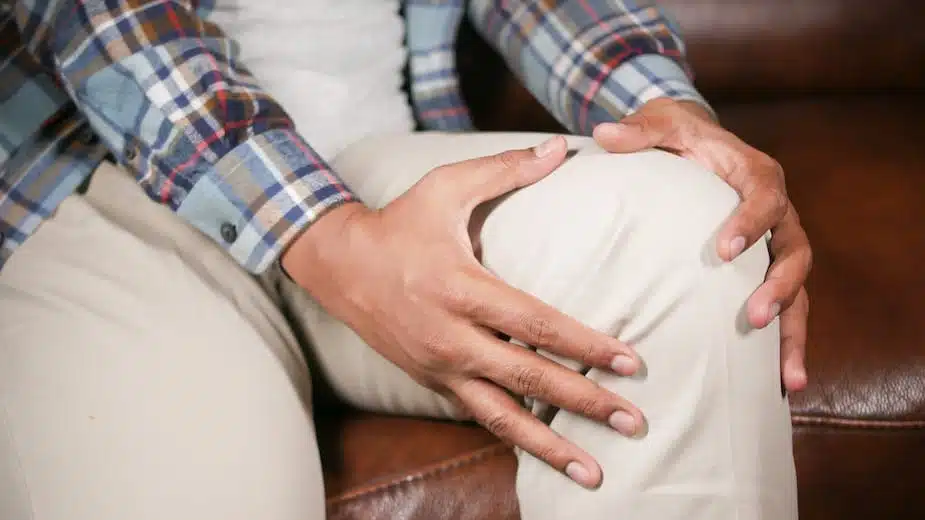
Ever tried climbing stairs with a knee that feels like it’s grinding gravel? You’re not alone. Knee pain isn’t just a nuisance – it’s a thief, stealing walks in the park, morning jogs, or the simple act of standing without wincing. For millions, arthritis creeps in like uninvited rust, while inflammation from old injuries throws surprise parties that last weeks. But here’s the truth: mobility isn’t a luxury reserved for the pain-free. This guide delivers science-backed knee pain relief strategies that go beyond popping pills and hoping for the best.
Let’s cut through the noise. Forget one-size-fits-all fixes or TikTok trends that vanish faster than an ice pack’s chill. Lasting knee pain relief demands understanding why your joints rebel – whether it’s overuse from marathon gardening sessions, cartilage wear decades in the making, or mechanics gone haywire. We’ll unpack home remedies that work (spoiler: Epsom salt baths aren’t magic), physical therapy moves borrowed from NFL rehab protocols, and when to consider medical interventions that don’t always mean scalpels. Comfort isn’t a maybe – it’s a plan.
Why knee pain happens: Causes you can’t ignore
Let’s get real: knees weren’t designed for modern life. That osteoarthritis diagnosis your yoga instructor shrugs off? It’s not just “getting older” – it’s cartilage breakdown from repetitive stress, whether you’re a weekend warrior or chained to a desk. Blame ACL tears from pickup basketball games, meniscus injuries after one wrong lunge, or obesity (yes, every extra pound strains joints like a grocery bag stretched too thin). Even your gait matters – ever notice marathon walkers with hips swaying like pendulum clocks? That’s biomechanical dysfunction in action.
But here’s the kicker: inflammation isn’t always the villain. Sometimes it’s your body’s SOS signal – like when bursitis flares after overdoing squats. Genetics play a role (thanks, Mom), but don’t let DNA be your excuse. Seen one too many 30-somethings blame “bad knees” while pounding pavement in worn-out sneakers? Exactly. Pinpointing your root cause isn’t nitpicking – it’s the map to knee pain relief.
At-home knee pain relief: Quick fixes that work
Let’s cut to the chase: not all home remedies are created equal. That turmeric latte your wellness-obsessed friend swears by? It’s not snake oil – studies show curcumin does curb inflammation, making it a legit player in the knee pain relief game. (Pro tip: skip the trendy golden milk and mix it into savory dishes instead – black pepper boosts absorption by 2000%.) Then there’s the RICE method – rest, ice, compression, elevation – a classic for acute flare-ups. But ice isn’t always king. Swap it for heat therapy if stiffness lingers longer than a bad Zoom call.
Here’s the kicker: over-the-counter gels like Voltaren can work wonders, but slathering them on blindly? Wasteful. Target the exact pain point – say, the medial joint line for pesky meniscus twinges. Pair that with an anti-inflammatory diet (think leafy greens, fatty fish, and cherries – Healthline’s nutrition guide nails the specifics), and you’ve got a knee pain relief cocktail that actually works. And don’t sleep on Epsom salt soaks; magnesium sulfate isn’t a cure-all, but it’s a solid play for post-yardwork aches. (Bonus points if you soak before bed – sleep’s when joints repair.) Just ease up on NSAIDs. Pop them like candy, and you’ll trade knee relief for stomach grief.
Strengthening your knees: Exercises for long-term relief
Let’s be honest: crunches won’t save your knees. Real joint stability starts with moves that target the quadriceps, hamstrings, and glutes – the muscle trio that acts like nature’s knee brace. Take wall sits: they’re brutal, but holding for 30 seconds daily builds endurance better than endless leg presses. (Pro tip: slide a yoga block between your knees to fire up lazy inner thighs.) Then there’s the humble step-up – not flashy, but mimic stair climbing enough and you’ll prep joints for everything from grocery runs to hiking trails.
But here’s the rub: low-impact workouts like swimming or cycling get all the hype, yet most skip the eccentric movements crucial for tendon health. Try Nordic hamstring curls – yes, the ones soccer players use to dodge ACL tears. And if yoga’s your jam, skip Instagram-friendly yoga poses and steal the reclined hero pose from the yoga journal. Just don’t force it; torn menisci love to humble overachievers.
Non-surgical medical interventions: When DIY isn’t enough
So you’ve iced, stretched, and turmeric-ed your way to nowhere. Time to call in the pros. Physical therapy isn’t just for post-op recovery – it’s the secret weapon for gait retraining, especially if you’ve spent years walking like a penguin after that old ankle sprain. (Fun fact: Many clinics now use 3D motion capture tech borrowed from Pixar animators.) Then there’s hyaluronic acid injections, aka “liquid knee replacements.” They’re pricier than a gym membership, but studies show they can buy you 6+ months of smoother movement.
But let’s talk knee braces. That flimsy drugstore sleeve? It’s about as useful as a screen door on a submarine. Opt for custom unloader braces if arthritis has camped out in one compartment of your joint – they shift pressure like a smart thermostat adjusting temps. Pair this with shockwave therapy (yes, it jumpstarts tendon repair), and you’ve got a science-backed path to knee pain relief without going under the knife. Skeptical? So was every runner until they tried it post-marathon.
Advanced knee pain relief: When surgery becomes the answer
Let’s face it: surgery’s the elephant in the room. But before you panic about scalpels, know this – arthroscopy isn’t your grandpa’s knee operation. This minimally invasive fix trims torn menisci or smoothes cartilage with incisions smaller than a papercut. (Yes, you’ll be walking the same day.) Then there’s partial knee replacement, ideal if arthritis’s bunkered down in one compartment. Why replace the whole joint when half’ll do?
But here’s the kicker: PRP therapy – injecting your blood’s healing factors – is stealing the spotlight. Research shows it outperforms cortisone for cartilage repair, especially in athletes mid-season. And MACI? Think of it as 3D printing new cartilage using your cells. Skeptical? So was every tennis pro until they skipped six-month downtime. Sometimes, going under the knife isn’t failure – it’s strategy.
FAQs: Your knee pain relief questions, answered
Q: “Can I still run with knee pain?”
A: Depends. If it’s a dull ache, swap pavement for low-impact cardio like pool running (yes, it’s a thing). Sharp pain? Hit pause – even marathoners take “reboot weeks.”
Q: “Do collagen supplements work?”
A: Mixed bag. Some studies show they’re as effective as placebos for cartilage repair, but pairing them with vitamin C might boost absorption. Pro tip: prioritize dietary collagen from bone broth or salmon skin.
Q: “How long until I see results?”
A: Acute injuries might calm in days; chronic arthritis needs weeks. Consistency with physical therapy is key – knee pain relief isn’t a sprint. Mayo Clinic’s arthritis tips stress steady effort over magic bullets.
Knee pain relief starts here: Your roadmap to expert care
Let’s face it: knee pain relief isn’t about miracle cures – it’s about stacking small wins. Wall sits, smarter shoes, that turmeric hack you finally nailed. Maybe you’re the gardener who swapped kneeling pads for ergonomic stools, or the runner who traded pavement for sand drills. Progress hides in details.
But here’s the truth: chronic pain loves silence. Ignore it, and it’ll gatekeep hikes, grandkid hugs, even that morning coffee without a wince. So don’t just “manage” – attack. Book that physical therapy session. Try the unloader brace your ortho mentioned. Still stuck? Tap into a trusted PT directory to find specialists who don’t just treat knees; they rebuild lives around them. Knee pain relief isn’t a solo mission. Your next step? Literally, just take one.