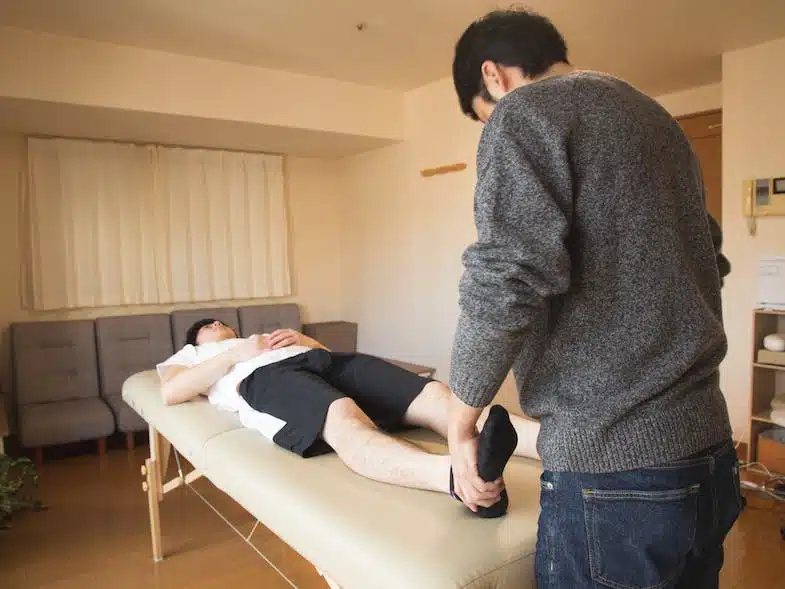
You’ve scheduled your first physical therapy evaluation – and now the questions start swirling. What will they make me do? Will it hurt? What if I’m not “prepared” enough? Let’s pause right there. That knot in your stomach? It’s normal. But here’s the truth: this appointment isn’t about judgment, pass/fail grades, or pushing through pain. It’s a collaborative conversation where your story takes center stage.
This guide strips away the mystery. You’ll learn exactly what happens during a physical therapy evaluation, how to prepare like a pro, and why this session is your secret weapon for faster recovery. No medical jargon, no scare tactics – just clarity. We’ll cover what to wear, which questions to ask, and how therapists turn your history into a personalized plan.
By the end, you’ll walk into that clinic not as a patient, but as a partner in your healing journey.
What happens during a physical therapy evaluation?
Your physical therapy evaluation isn’t a pop quiz – it’s a detective story where your body holds all the clues. Think of it as three acts: the interview, the investigation, and the roadmap.
Patient history: Your story matters
Your therapist starts by playing historian. They’ll ask about past injuries, daily habits (“Does your desk chair secretly hate your posture?”), and what makes your pain spike or fade. This isn’t small talk – it’s strategy. Honesty here shapes your entire treatment plan.
The physical deep dive
Next comes the hands-on exploration. Expect:
Movement analysis: Can you squat without wincing? Touch your toes? Therapists decode limitations like biomechanical sleuths.
Strength tests: Resisting pressure, balancing on one foot – it’s less about “passing” and more about pinpointing weak links.
Palpation: Gentle pressing along muscles and joints to find hidden tension or swelling.
From data to action
Finally, you’ll co-create goals. Want to lift groceries pain-free? Run a 5K? Your therapist translates findings into a step-by-step plan, often tweaking exercises in real time. As Dr. Lena Torres, PT, notes: “A good physical therapy evaluation doesn’t just diagnose – it empowers.”
How to prepare for your first evaluation: 5 pro tips
Walking into your physical therapy evaluation unprepared is like showing up to a concert without tickets – you’ll get in, but you’ll waste time fumbling at the door. Let’s skip the awkwardness.
1. Dress for success (No, not a suit)
Opt for loose clothing that lets you move freely. Think yoga pants over jeans, sneakers over heels. Your knees and shoulders will thank you.
2. Bring a paper trail
Recent X-rays, surgery reports, or MRI results? Pack them. These documents help your therapist connect dots faster than a detective with a full coffee pot.
3. List your allies – and enemies
Jot down medications, allergies, and even supplements. That “harmless” herbal tea? It could matter.
4. Arm yourself with questions
“How soon will I see changes?” “Are there moves I should avoid?” Write them down – nerves can turn your brain into static.
5. Arrive early, leave calmer
Plan to show up 15 minutes early. Paperwork waits for no one, and rushing spikes stress levels.
Common tests & what they reveal
Your physical therapy evaluation relies on tests that crack the code of your discomfort – no lab coats required. Here’s the inside track:
Palpation: The silent interrogation
Therapist fingers glide over muscles and joints, hunting for swelling, knots, or temperature shifts. It’s not a massage; it’s a tactile investigation of your body’s whispers.
Goniometry: Geometry meets biology
A hinged device snaps precise angles of your elbow bend or knee flexion. Studies like this NIH report prove it’s the gold standard for tracking joint mobility – no guesswork allowed.
Manual muscle testing: The push-and-tell
“Resist my pressure,” your therapist instructs. That simple push reveals weakness hierarchies: Is your left calf slacking? Does your right grip lag?
Balance assessments: The wobble factor
Standing on one leg isn’t child’s play here. Swaying exposes hidden instability, like an ankle that’s lost its confidence.
These tests aren’t exams – they’re translators. They turn stiffness, pain, and fatigue into actionable intel for your recovery roadmap.
FAQs: Addressing patient concerns
You’re not the first to wonder, “Is this normal?” during a physical therapy evaluation. Let’s tackle the top worries head-on:
“Will the evaluation hurt?”
Rarely. Therapists prioritize comfort, using gentle tests to avoid aggravating pain. If a movement stings, speak up – it’s crucial feedback, not a failure.
“How long does it take?”
Most evaluations wrap in 30–60 minutes. Complexity (like post-car accident assessments) may extend it, but you’ll never feel rushed.
“What if I’ve had surgery?”
Share every detail – even scars hold clues. As Mayo Clinic guidelines note, surgical history shapes how therapists approach joint mobility and scar tissue.
“Can I eat beforehand?”
Yes, but skip heavy meals. Low blood sugar distracts; a stuffed stomach slows movement.
“What if I’m embarrassed about my fitness level?”
Therapists aren’t judges. That “easy” stretch you struggle with? It’s data, not drama.
Your questions fuel better care. Ask them all.
Case study: A real-life success story
Sarah’s “minor” car accident left her with a major problem: neck pain so sharp, checking blind spots felt like a dare. Her physical therapy evaluation did more than diagnose whiplash – it exposed a silent saboteur. Years of slouching over a laptop had tightened her chest muscles, yanking her spine into rebellion.
Therapists prescribed exercises to loosen shortened tissues and strengthen neglected back muscles. Within six weeks, Sarah could rotate her head freely. By week ten, she resumed yoga. “The evaluation pinpointed issues I’d ignored for years,” she says. “It wasn’t just about the accident.”
Dr. Alicia Nguyen, PT, explains: “Trauma often unmasks hidden weaknesses. A skilled evaluation turns those into breakthroughs.”
Conclusion: Your next step toward recovery
Your physical therapy evaluation is the compass, not the destination. You’ve learned how to prepare, what tests to expect, and why honest dialogue with your therapist unlocks faster progress. Now, momentum is your ally.
Don’t let uncertainty anchor you to pain. Whether it’s a stiff shoulder or post-surgery rehab, that first physical therapy evaluation bridges the gap between “hurt” and “heal.” Ready to rewrite your story?
Find a licensed physical therapist near you and schedule your evaluation today. Your future self – flexible, strong, and pain-free – is waiting.